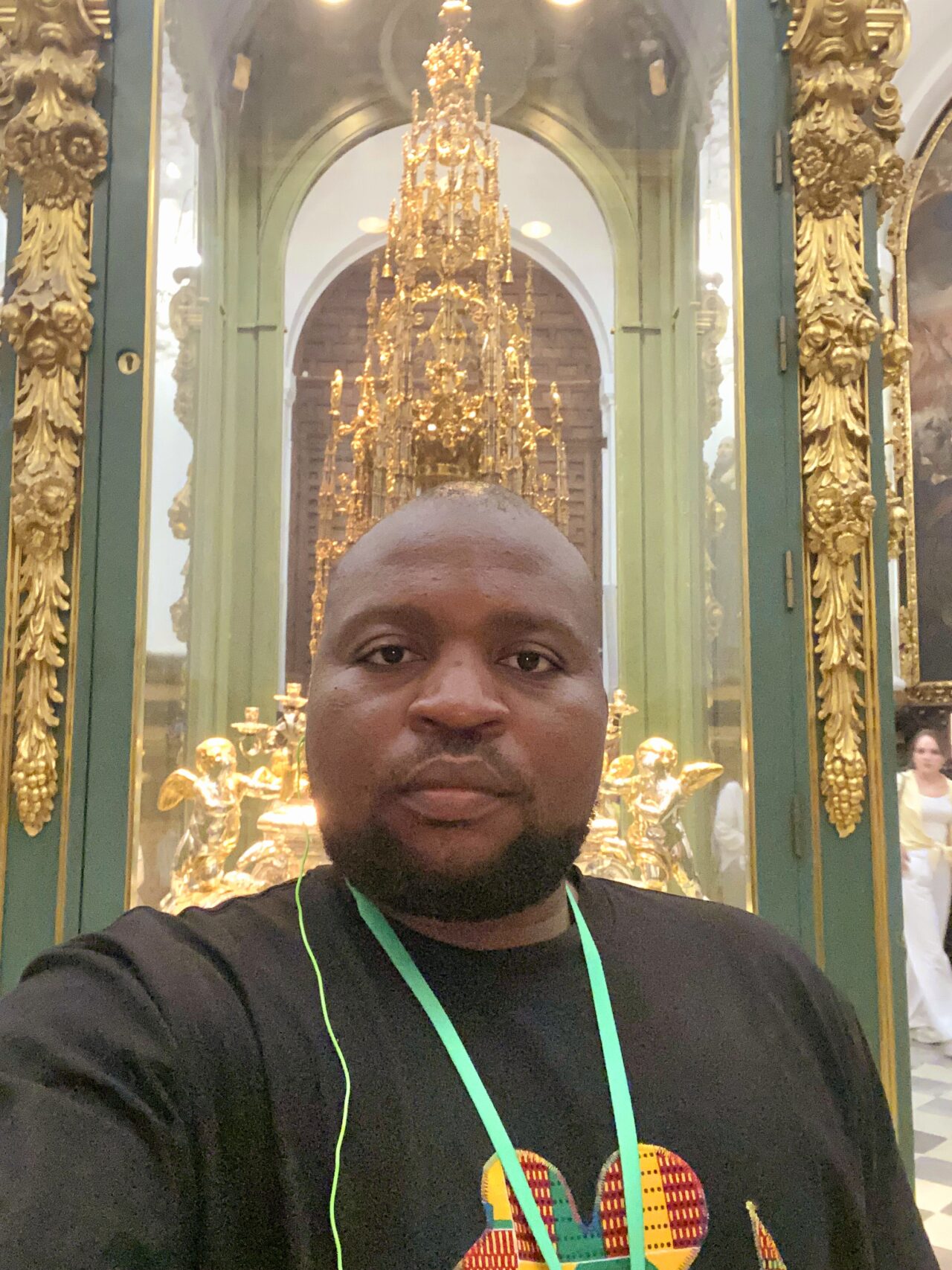
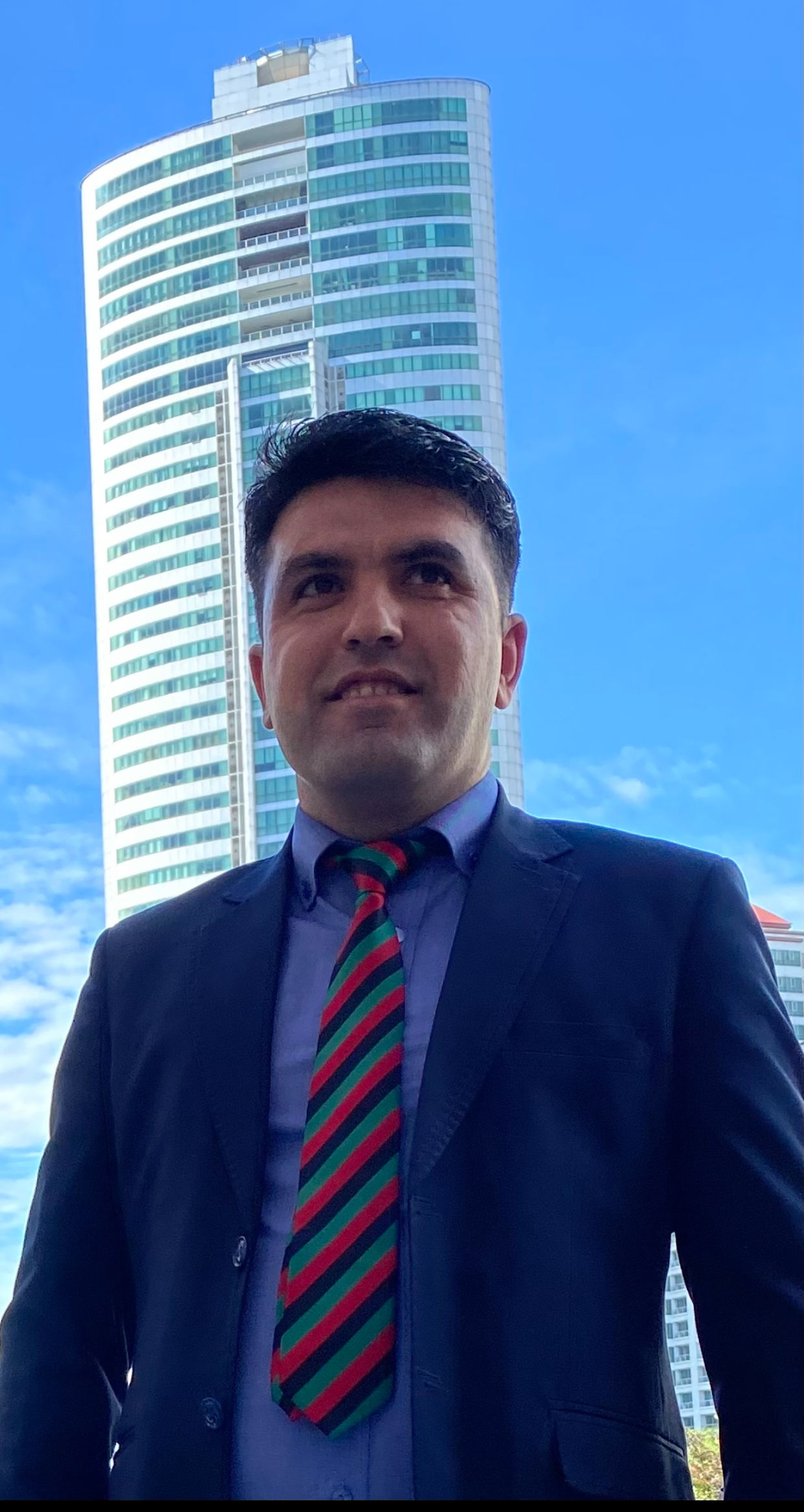
A youth reflection piece by Mohammad Afzal Zarghoni, Chair for Asia in the iDove governance structure, and a member of the MOIC Club within the Islamic Cooperation Youth Forum (ICYF), on his participation at the University on Youth and Development (UYD) Training
Attending the KAICIID “Train the Trainers” youth cohort during the 24th University of Youth and Development in Mollina was an incredibly meaningful experience. What stood out most to me was how practical and hands-on the training was. Instead of just listening to lectures, we actively participated in exercises like mock trainings, dialogue facilitation, and designing sessions ourselves. This practical approach made the learning not only more engaging but also easier to apply directly to my work.
The training covered a wide range of important topics, including exploring identity and culture, team evaluation, and field visits—all designed to strengthen our skills in dialogue and peacebuilding. Being part of this program also gave me the chance to work alongside external stakeholders from various backgrounds. This diversity added rich perspectives and opened doors for valuable networking and collaboration beyond the sessions, which I consider one of the best parts of the experience.
One of my key takeaways was learning how to create safe, inclusive spaces for dialogue that encourage open and respectful communication. This is essential for my work in preventing violent extremism (P/CVE) and youth empowerment, especially when supporting colleagues and projects in Kabul. The training equipped me with concrete tools and confidence to bring more effective dialogue and collaboration into my daily work.
A particularly memorable moment was during the identity and culture session when participants shared personal stories. It reminded me how powerful dialogue can be in breaking down barriers and building understanding among people from different cultures and experiences.
Looking ahead, I believe adding follow-up sessions or digital platforms to continue our engagement after the training would strengthen the impact even further. Overall, this was a transformative week, and I’m grateful for the opportunity to learn, connect, and grow through this practical, well-rounded program.
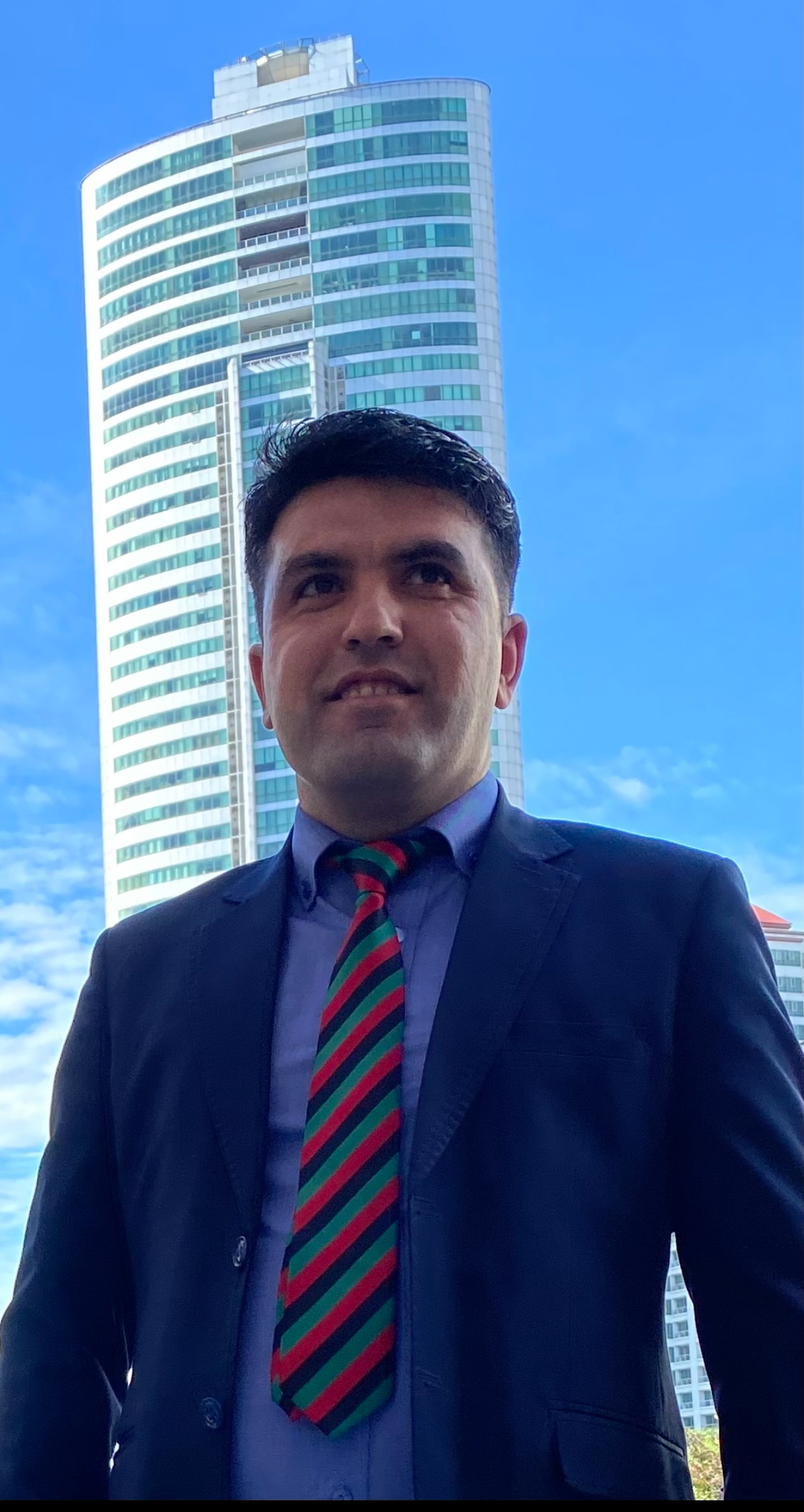
About Mohammad Afzal Zarghoni
Mohammad Afzal Zarghoni is a seasoned researcher, analyst, and peacebuilder with over a decade of experience across Afghanistan’s humanitarian, academic, and governance sectors. He recently serves as a Research Analyst with the Norwegian Refugee Council (NRC) under the ACAPS Afghanistan Analysis Hub, where he monitors political, economic, and humanitarian developments and produces strategic reports to inform global decision-making. Mohammad’s career spans a wide range of institutions, including the Afghanistan Research and Evaluation Unit (AREU), where he served as Information Resources and Library Officer, and the American University of Afghanistan (AUAF), where he held roles as Assistant Director of the Center for Teaching and Learning and Field Researcher. He has also worked with Integrity Watch Afghanistan (IWA) as a Humanitarian Aid Specialist and Project Research Consultant, and with Sanayee Development Organization (SDO) as a Peacebuilding Program Officer. His contributions to national peace efforts include serving as Peace Affairs Expert to the President’s Special Envoy and Vice-Chairman of the High Council for National Reconciliation, and as Research and Study Specialist with the Executive Secretariat for Peace & Reconciliation. He has also consulted for Swiss Peace, the European Union, and Community World Service Asia (CWSA) on disaster risk reduction and governance.
About the iDove Programme
The iDove programme and capacity building support program on Interfaith Dialogue and prevention of Violent Extremism provides youth-driven, innovative, and context-specific responses to preventing violence. The program activities are implemented by selected seven local organizations associated with iDovers, who are youth peacebuilders from Europe, Asia, and Africa. The program contributes particularly to the advancements of the small-scale projects while supporting iDovers engagement more broadly. The Network for Religious and Traditional Peacemakers supports the actions implemented by the iDover-associated organisations to enhance their organisational capacity building to ensure timely and effective youth-led responses to preventing violence.