My journey as a community member, timid to speak up to a leader organizing community forums is a testament to the transformative power of NAWIRI’s gender inclusivity program. Alongside other female peace champions, I have been influential in organizing community barazas, overcoming cultural barriers to advocate for gender equality and provide women with a voice in the community on matters of social development, peace, and ultimately contributing to PCVE. My story demonstrates the impact of empowering women in conventionally male dominated spaces.
The Change
My transformative from a confined community member by societal norms to a confident peace champion was powered by participation in NAWIRI’s training-of-trainers (ToT) sessions. These sessions equipped me with essential skills in leadership, communication, and conflict resolution, issues related to prevention of countering of violent extremism and positive masculinity which were critical in my success. The training was more than just a workshop; it was a reawakening. I learned not just to speak, but to speak in a way that people would listen. The ToT curriculum covered topics such as positive masculinity, gender-based violence prevention, and preventing and countering violent extremism and resilience. These foundational skills helped me understand and articulate the importance of gender inclusivity in ways that resonated with my community. Through the training, I learned how to navigate challenging conversations about entrenched gender roles with empathy and assertiveness, essential qualities for leading in a community where women rarely take on visible roles.
Additionally, NAWIRI’s stakeholder meetings gave me the opportunity to connect with local religious, local government officials, and civil society representatives, building relationships that would prove invaluable in my advocacy. Through these networks, I found allies who supported my initiatives and helped amplify my message of gender inclusivity. When I first approached the religious leaders, I feared rejection, but I found allies who shared my vision and believed in the power of unity. Their endorsement was pivotal, legitimizing my efforts and encouraging broader community participation. Together, we implemented creative measures to make the barazas more inclusive, such as inviting women to speak first and creating a family-friendly atmosphere where mothers could attend with their children without fear of reprimand or disruption. As a result, the community saw more women contributing ideas and sharing personal stories, especially on issues related to violence and peacebuilding. Men in the community, seeing the meaningful contributions women could make, gradually started to accept and support their participation. For the first time, I saw men nodding in agreement when women spoke, it felt like the beginning of a new chapter of our community.
Through these efforts, I have not only succeeded in creating a space for women’s voices, but I have begun reshaping the Kinango community’s understanding of gender roles.
By applying the lessons from the training and leveraging on new connections, I have become a respected figure and a powerful advocate for a more inclusive community.
Younger girls, watching these changes, are beginning to consider leadership roles as a viable option for themselves. “Seeing Zainab lead gave me hope,” says Aisha, a teenager from the community. “She showed us that being a girl doesn’t mean staying silent.” This progress marks a significant shift, setting a new standard for how women and girls can engage in community leadership and decision-making in Kinango.
Lessons Learned and Potential Long-Term Effects
The experiences of Zainab as a peace champion highlight key lessons on fostering gender inclusivity. First, small logistical changes such as seating arrangements and providing support for mothers, holding meetings where women can easily access meetings and attend to their normal duties have a profound impact on women’s participation. Ensuring that women feel comfortable and valued in community spaces is essential for sustained engagement. Furthermore, direct engagement with male leaders and community influencers was crucial for acceptance. By facilitating open dialogue, Amina and NAWIRI helped reshape local attitudes, making it possible for women to lead and speak freely.
In the long term, this initiative has the potential to shift community norms primarily. Zainab and her fellow peace champions have set a precedent, showing the community that women can lead and contribute valuable insights ion matters social development navigating the obstacles of being overlooked and meaningfully participating and having their voice of women heard. As more women continue to participate actively in these discussions, younger girls will be impacted positively and they will see this as a possibility for themselves becoming leaders, fostering a new generation that values and champions gender inclusivity.
Zainab’s journey, and the gradual acceptance she’s inspired in Kinango, highlights that true peace and progress come when every voice in society can be heard. Through the progression of Mijikenda beats, shared meals, and throughout changes, NAWIRI and the female peace champions are building a more inclusive and harmonious Kinango, one baraza at a time.
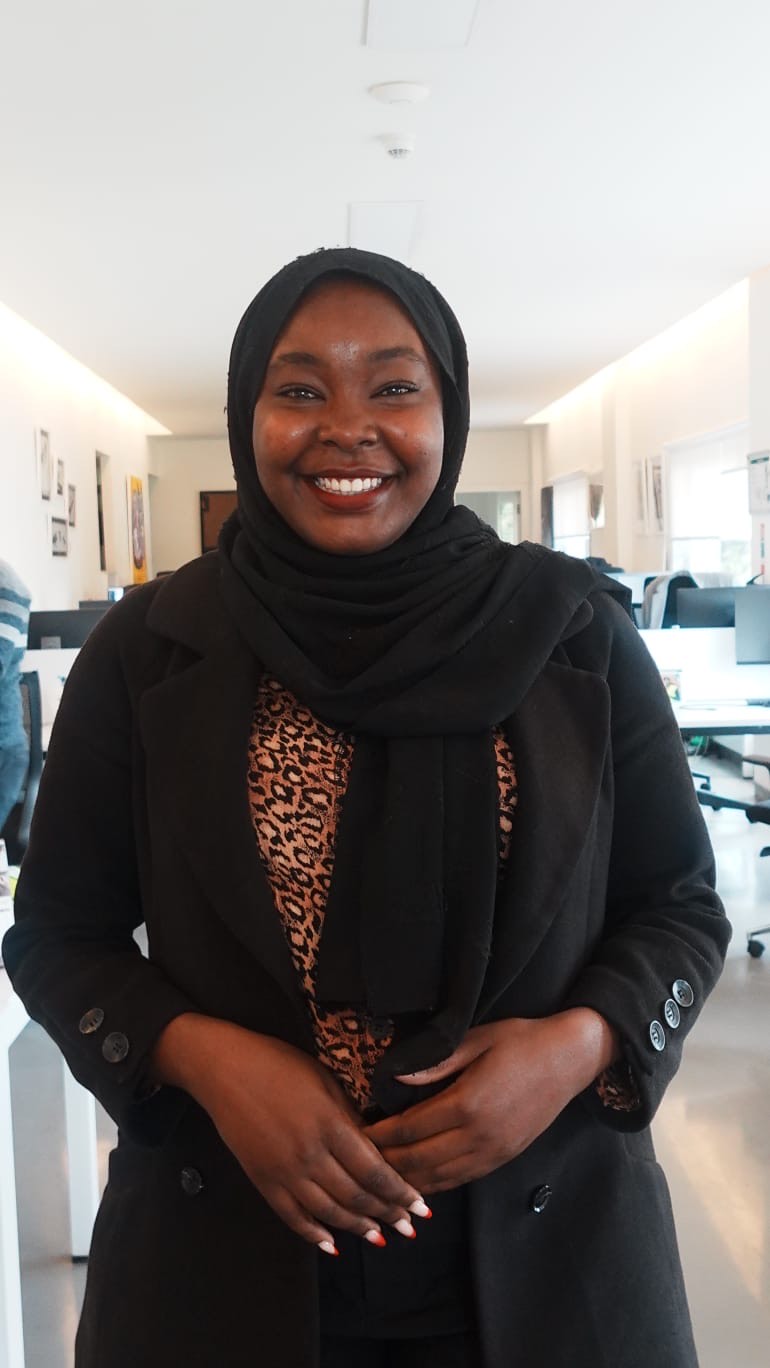
About Zainab Kombe
Zainab is a passionate peace advocate in Kinango working to prevent violent extremism by fostering understanding and building bridges through inter-religious dialogues.