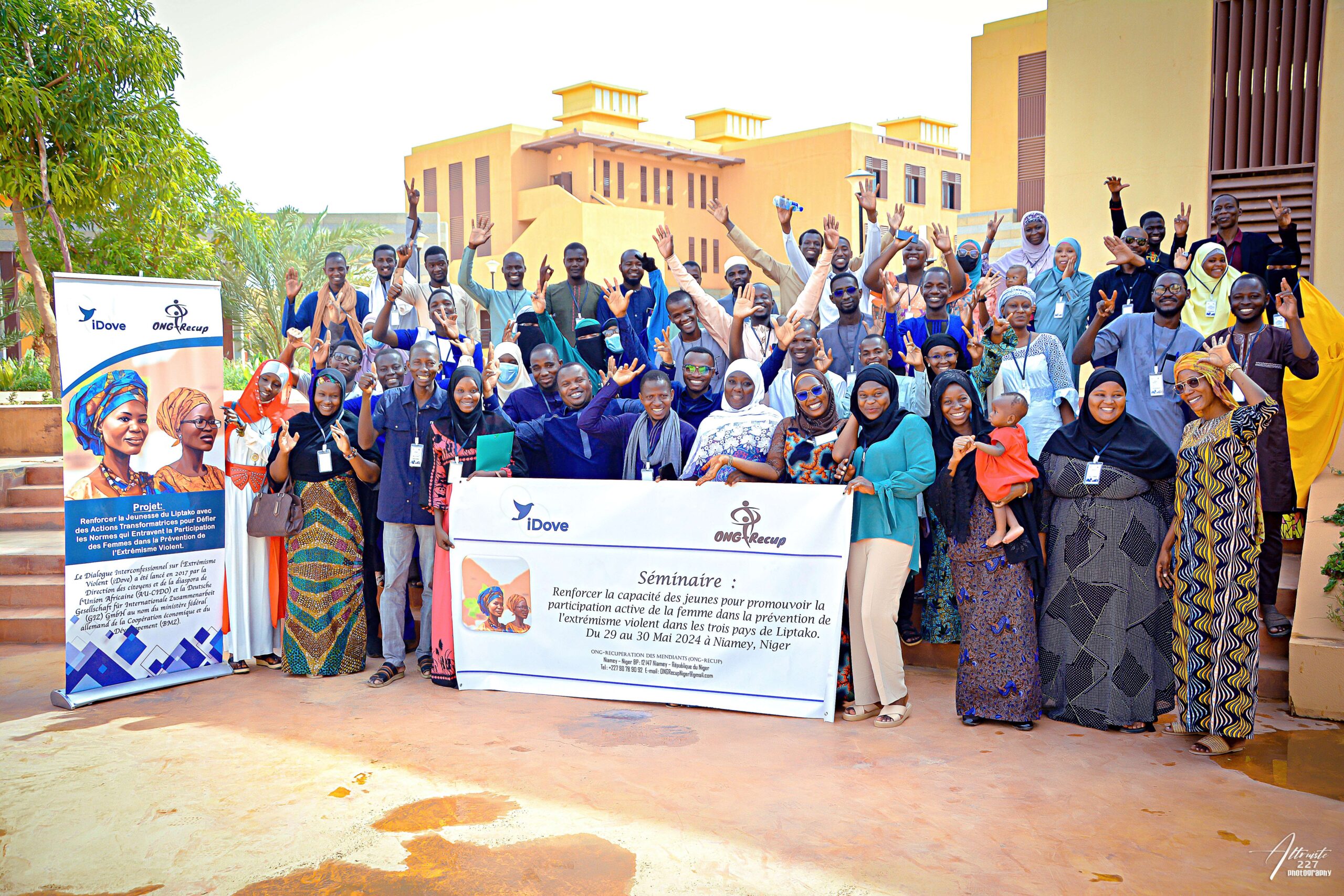
iDove Impact Story
The Liptako region, covering parts of Mali, Niger, and Burkina Faso, faces serious challenges from violent extremism and insecurity. These problems have disrupted communities, slowed down development, and left people struggling to find peace and stability. In this region, cultural beliefs often limit women’s roles to the home, excluding them from important decision-making in areas like security and peacebuilding.
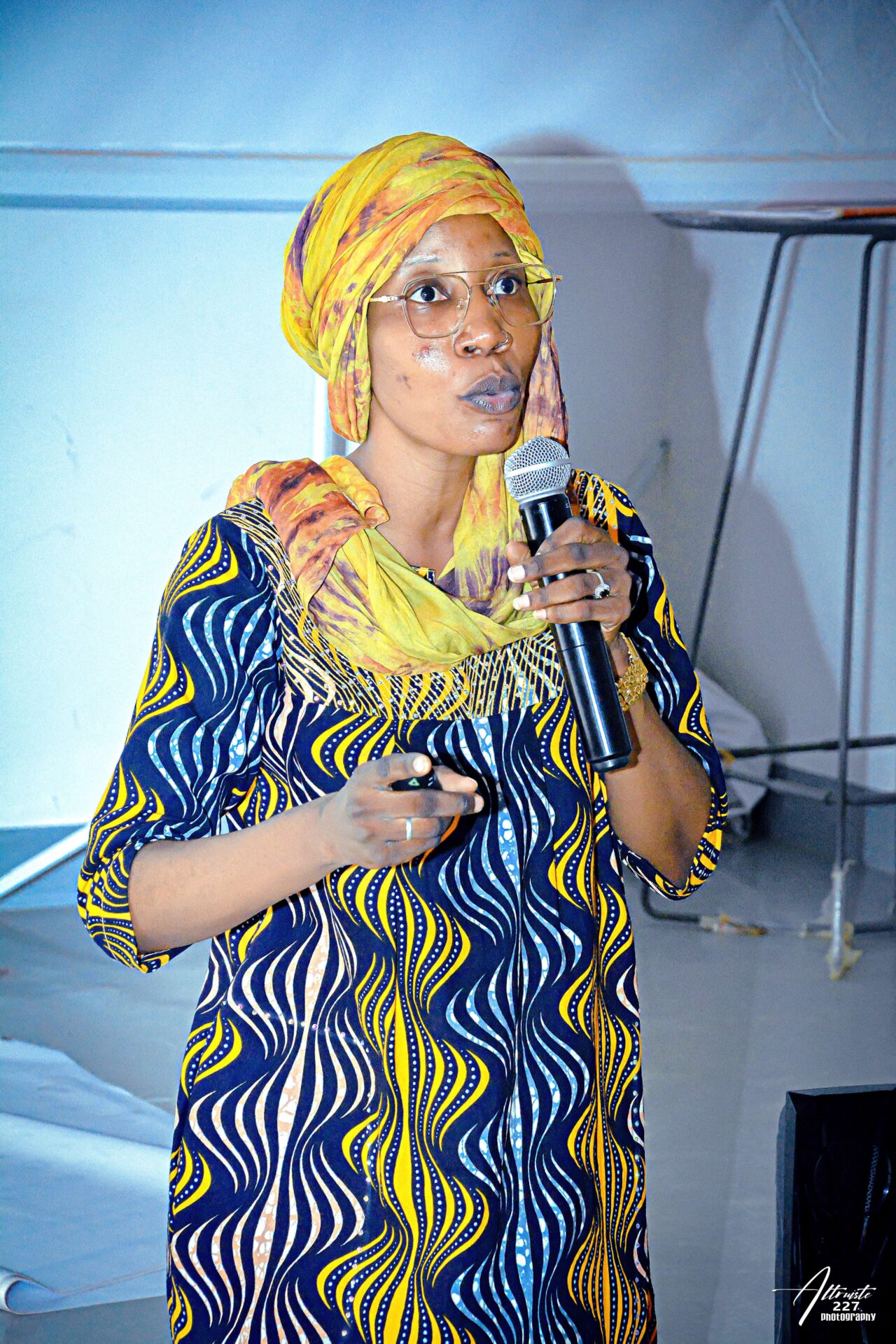
Zainabou M. Toure’s story shows how change is possible. Before joining the iDove project, Zainabou believed her role was only to care for her family and educate her children. She, like many women in her community, felt there was no place for her in efforts to prevent violence or promote peace. The ongoing conflict in the region made things even harder, limiting women’s opportunities to participate in public life and decisions that affect their future.
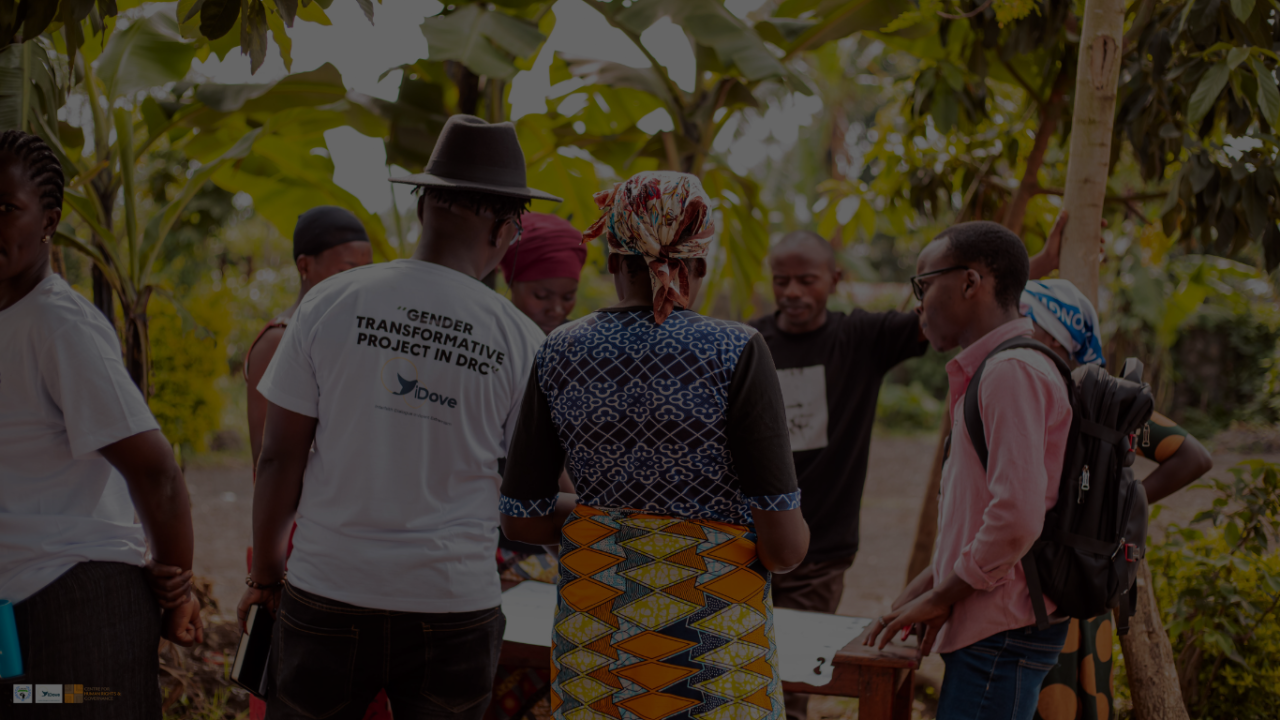
The iDove project, “Empowering Youth in Liptako with Gender-Transformative Actions,” helped Zainabou see things differently. The project trains young leaders to challenge harmful gender norms, promote equality, and invlve women in peacebuilding and PVE. Through this initiative, Zainabou realized her potential to make a difference. She learned that her religion does not prevent women from playing a role in peacebuilding and that women are essential for creating lasting peace.
At the start of the project, Zainabou could only imagine a future where her role stayed within traditional boundaries. Now, she is actively sharing what she has learned, advocating for women’s inclusion in PVE efforts, and working to change attitudes in her community. Her story shows the importance of this project, which gives women the tools and confidence to participate in peacebuilding.
The Change
The iDove project brought about transformative changes in Zainabou’s life and perspective. Before the initiative, Zainabou, like many women in her community, believed her role was limited to traditional responsibilities–managing the home and raising children. However, through her participation, she gained new insights into gender equality, women’s rights, and their vital role in preventing violent extremism and peacebuilding.
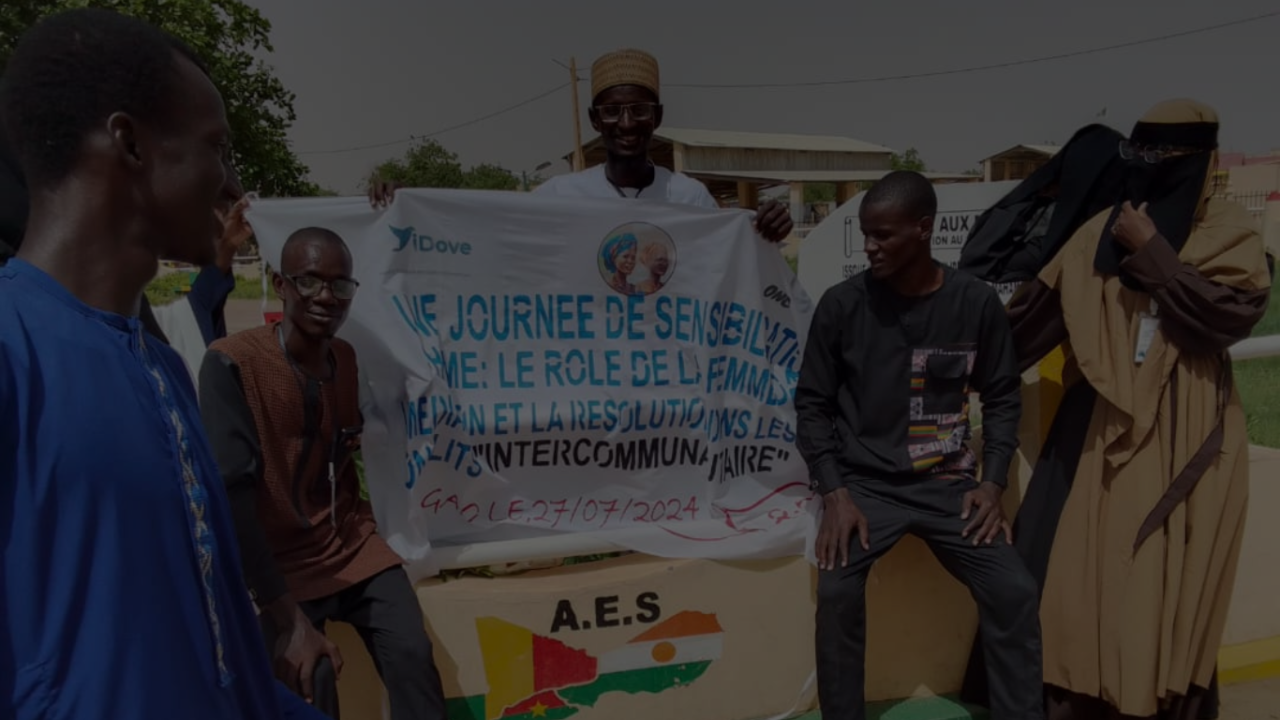
One of the most tangible positive changes was her mindset. Zainabou now confidently advocates for women’s active participation in peacebuilding, using her voice in community discussions and even influencing others through her public speeches and religious engagement in Gao and Segou in Mali. This shift has not only empowered her but also inspired her community to reconsider harmful norms about women’s roles in society.
The change was possible due to several enabling factors:
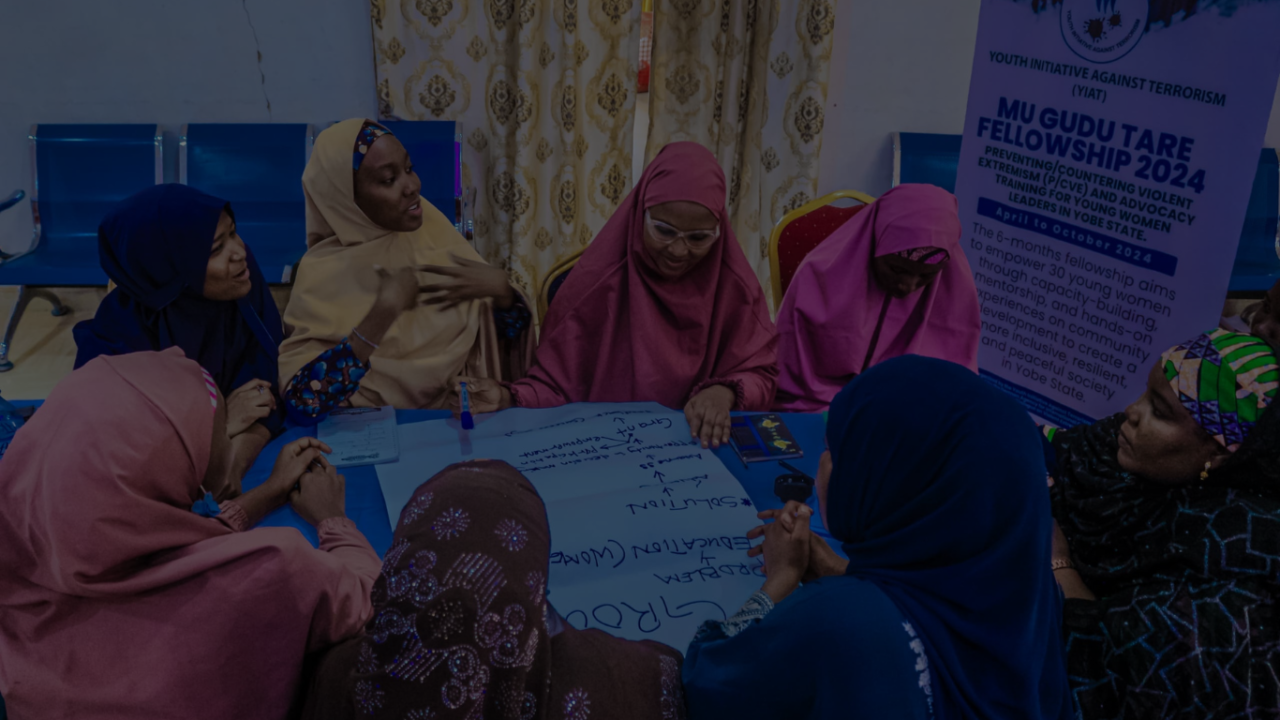
1. The iDove project provided a safe and inclusive space for women and men to learn about gender equality and its importance in peacebuilding.
2. The training emphasized how Islamic teachings support women’s participation in preventing violence, which resonated deeply with Zainabou and others.
3. The encouragement and shared experences of other participants from her native and other countries allowed Zainabou to build confidence in challenging long-held beliefs.
4. Through the project, Zainabou learned effective communication and advocacy skills, enabling her to articulate her vision for a more inclusive community.
Unexpected Changes
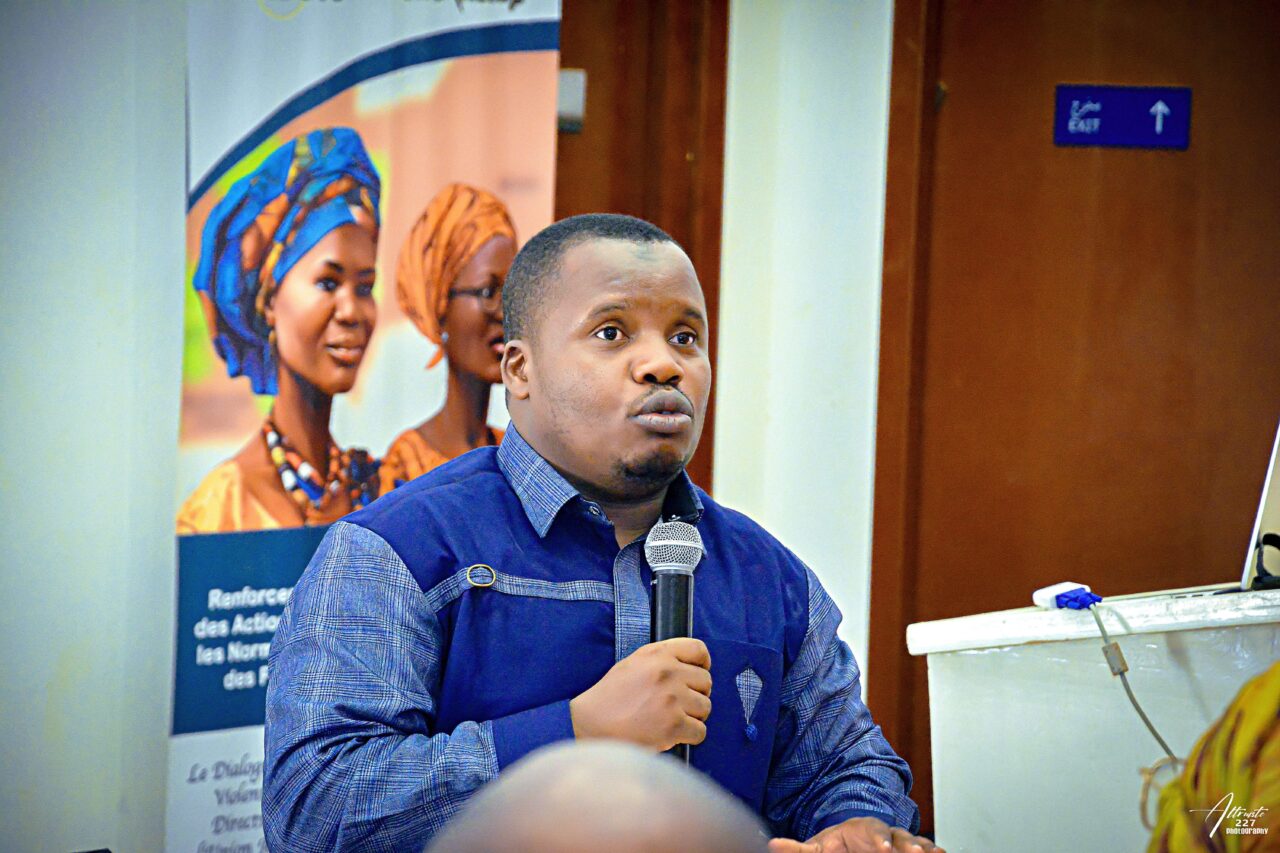
An unexpected and profound shift occurred in the attitudes of male participants who initially held traditional views. For example, during a seminar, one male participant openly expressed that a woman’s role should be confined to the household. By the end of the training, he acknowledged the critical role women play in PVE, committing to integrate this message into his public sermons. This ripple effect was unanticipated and demonstrates how the initiative fostered mutual learning and transformation for both genders.
Challenges and Adaptations
While Zainabou’s story is largely positive, there were initial challenges in addressing deeply ingrained beliefs. Some participants were hesitant to embrace the idea of gender equality in PVE. To address this, trainers emphasized religious texts and cultural references that validated women’s roles in peacebuilding, which helped overcome resistance.
Zainabou’s transformation and the broader changes in her community highlight the success of the iDove initiative. Equipping individuals with the knowledge and tools to challenge harmful norms made the project to spark a lasting movement for peace and inclusion.
Lessons Learned and Potential Long-Term Effects
1. Transformative learning is possible with the right approach: The project demonstrated that deeply ingrained gender norms canbe challenged and changed when culturally relevant and inclusive methods are used. With framing women’s roles PVE within religious and community contexts, the initiative overcame resistance and created lasting shifts in perspectives.
2. Mutual transformation across genders: While the initiative primarily focused on empowering women, an unexpected lesson was the significant change in male participants’ attitudes. Men like Diallo Moussa, one of the participants from Dori, Burkina Faso, who initially dismissed women’s involvement in PVE, later became advocates for their inclusion, amplifying the project’s impact.
3. The power of mentorship and peer support: The support and shared experiences between participants themselves and between them and the facilitators within the training sessions played a critical role in building participants’ confidence. Mentorship from trainers and collaboration among participants strengthened commitment to promoting gender equality in PVE efforts.
4. Cultural sensitivity is key: Tailoring the project to align with local traditions and religious beliefs ensured greater acceptance of the message. Using Islamic teachings to validate women’s participation was particularly effective in shifting mindsets.